 By Editorial Team
Key Takeaways
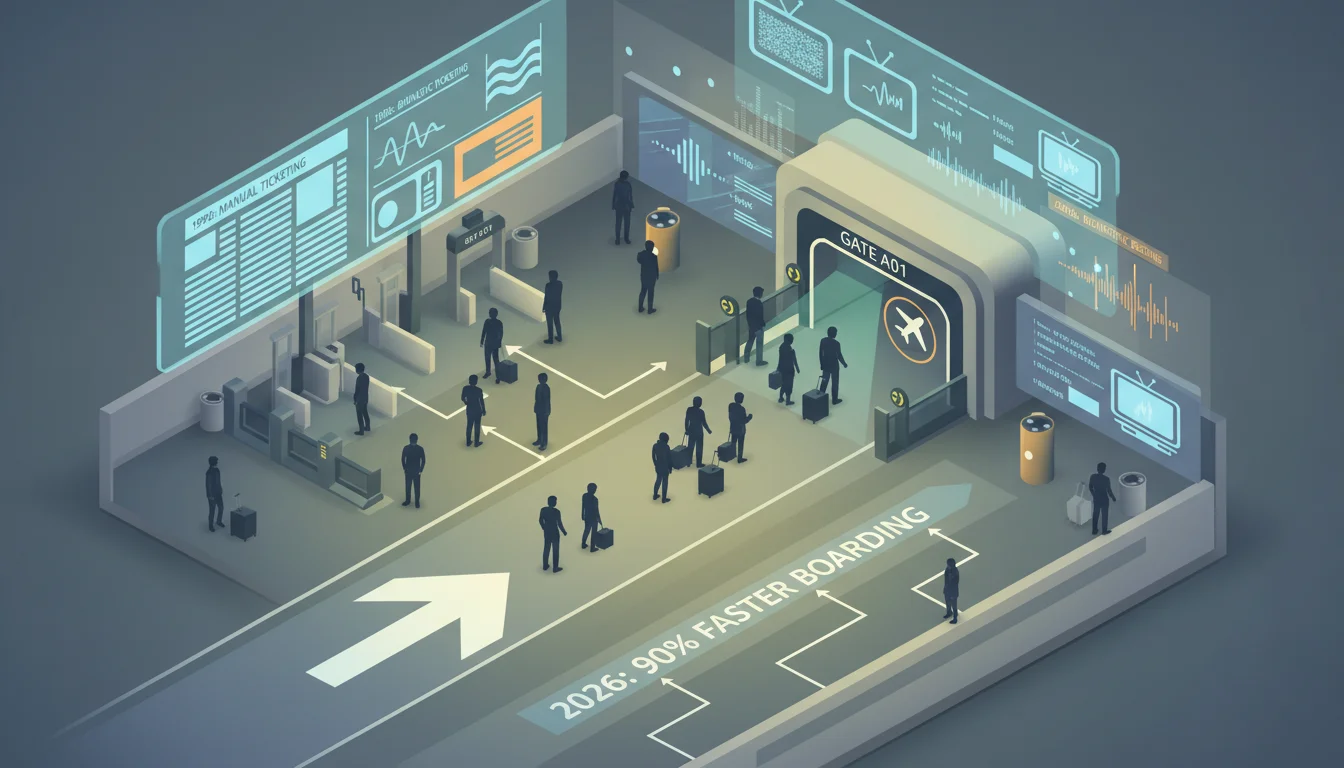
- Invest in smart technology integration, like biometric boarding, to reduce friction points in the customer journey and improve efficiency, as seen in trials achieving 90% faster processing.
- Prioritize sensory design elements, such as natural light and acoustic planning, to positively influence passenger mood and perceived wait times, directly impacting satisfaction scores.
- Develop robust feedback mechanisms, including real-time digital surveys and AI-powered sentiment analysis, to continuously adapt airport design and service offerings to evolving passenger expectations.
- Recognize that airport retail and dining are integral to the overall passenger experience, with strategic placement and diverse, locally relevant options increasing dwell time and non-aeronautical revenue by up to 15%.
- Plan renovations with a clear focus on future-proofing, integrating scalable infrastructure for emerging technologies and sustainable practices to maintain long-term operational resilience and passenger appeal.
Misinformation about enhancing the customer journey through airport renovations is rampant, clouding strategic decisions with outdated assumptions and wishful thinking. Many believe simple cosmetic changes suffice, but the reality is far more complex and demands a deeper understanding of passenger psychology and operational efficiency. We must challenge these common myths head-on.
Myth 1: Renovations are Primarily About Aesthetics
The idea that airport renovations are just about making things look nice is a dangerous misconception. This perspective often leads to surface-level changes that fail to address fundamental pain points in the passenger experience. A fresh coat of paint or new flooring might offer a momentary visual uplift, but it won’t resolve chronic issues like long security lines or confusing wayfinding. What truly matters is how design influences flow and function. For instance, a beautifully designed check-in area is useless if it creates bottlenecks due to poor layout. Consider the recent overhaul at Hartsfield-Jackson Atlanta International Airport’s Concourse D. Their focus wasn’t just on modernizing the look; it was on widening corridors and adding more natural light to alleviate congestion and improve the overall sense of space. This isn’t about pretty pictures. It’s about engineering a better human experience. According to a 2025 report by the Airports Council International (ACI) World, airports that prioritize functional design improvements alongside aesthetic upgrades see a 12% increase in passenger satisfaction scores compared to those focusing solely on appearance. We are designing for movement, for utility, for calm, not just for Instagram.
Myth 2: Technology is a Universal Fix for All Passenger Woes
Many airport authorities assume that throwing technology at every problem will automatically enhance the customer journey. Biometric scanning, AI-powered chatbots, and smart baggage systems are indeed powerful tools. But their effectiveness hinges entirely on thoughtful integration and user-centric design. A new self-service kiosk, for example, can be a major improvement, or it can become another source of frustration if its interface is unintuitive or if there aren’t enough staff to assist when issues arise. I’ve seen countless airports invest millions in systems that passengers simply don’t adopt because they’re clunky or poorly explained. Take the implementation of advanced baggage tracking systems. While these systems promise to reduce lost luggage, a critical component of a positive experience, their success depends on seamless integration with airline operations and clear communication to passengers. The technology itself isn’t the solution; it’s the enabler. A 2024 study by SITA (a leading provider of IT business solutions to the air transport industry) revealed that while 80% of passengers are open to using biometrics for boarding, only 35% feel confident in the process when it’s poorly explained or inconsistently applied. The truth is, technology must serve a clear purpose and simplify, not complicate, the existing processes. It must be invisible when it works perfectly.
Myth 3: Food & Beverage and Retail are Secondary Considerations
This is a pervasive and financially detrimental myth. Airport management often views retail and dining as mere amenities, an afterthought once the core operational spaces are designed. This is a colossal mistake. For many passengers, the time spent pre-security or during a layover is a significant part of their overall experience. The availability, quality, and variety of food and beverage (F&B) and retail options can dramatically influence satisfaction and, crucially, non-aeronautical revenue. I’ve seen passengers choose a longer layover at a specific airport just for its F&B offerings. That’s how powerful this can be. Airports that integrate F&B and retail into their core design strategy, offering local culinary experiences and unique shopping opportunities, see substantial benefits. A 2025 analysis by Airport Revenue News indicated that airports with a strong focus on diversified F&B and retail portfolios experienced up to a 15% increase in passenger dwell time and corresponding spend per passenger. This isn’t just about adding more stores; it’s about curating an experience that reflects the local culture and provides genuine value to travelers. Think about the vibrant food halls at LaGuardia Airport’s Terminal B, featuring local New York City eateries. This isn’t secondary; it’s central to the brand identity and the economic health of the airport.
Myth 4: Passenger Flow is Only About Security Checkpoints
While security checkpoints are undeniably critical choke points, believing they are the only determinant of passenger flow is shortsighted. The entire journey, from arrival at the curb to boarding the aircraft, is a series of interconnected movements. Bottlenecks can occur anywhere: at check-in, immigration, baggage claim, or even within narrow corridors and poorly signed concourses. A renovation focusing solely on speeding up security, while leaving other areas unaddressed, simply shifts the problem elsewhere. Effective airport design considers the entire “path to flight” as a single, integrated system. This means optimizing everything from parking garage access and shuttle bus drop-off points to the location of restrooms and information desks. For example, a recent renovation at Seattle-Tacoma International Airport didn’t just expand security; it also reconfigured its baggage claim areas and added more efficient people-mover systems, resulting in a 20% reduction in overall transit times for arriving passengers. This holistic approach recognizes that a passenger’s perception of efficiency is shaped by every interaction along their journey. We must think beyond individual components and design for the complete sequence of events.
Myth 5: Sustainability is a Niche Concern, Not a Core Design Principle
Some still view sustainability in airport renovations as a “nice-to-have” or a regulatory compliance issue, rather than a fundamental aspect of modern airport design. This perspective is rapidly becoming obsolete. Passengers, airlines, and investors increasingly demand environmentally responsible infrastructure. Ignoring sustainability during renovations isn’t just a missed opportunity for positive public relations; it’s a failure to future-proof assets and manage operational costs effectively. Integrating sustainable practices, such as using recycled materials, implementing efficient HVAC systems, and harnessing renewable energy sources, offers tangible benefits. The new terminal at Kansas City International Airport, for instance, was designed with LEED Gold certification in mind, incorporating natural ventilation and extensive daylighting. This not only reduces energy consumption and operating costs but also enhances the passenger experience by connecting them with the outdoors. A study by the U.S. Green Building Council demonstrated that LEED-certified buildings can have 20% lower maintenance costs than conventional buildings. Sustainability isn’t a side project; it’s a smart business decision and a powerful differentiator for airports in 2026. Airport renovations are complex undertakings that demand a strategic, holistic approach, moving beyond superficial fixes and embracing design that truly enhances the customer journey.
What is the primary goal of enhancing the customer journey in airport renovations?
The primary goal is to create a more efficient, comfortable, and positive experience for passengers from arrival to departure, thereby increasing satisfaction, encouraging repeat travel, and boosting non-aeronautical revenue.
How can technology effectively contribute to a better airport customer journey?
Technology can contribute by streamlining processes (e.g., biometric check-in, automated baggage handling), providing real-time information (e.g., personalized flight updates, interactive maps), and offering personalized services, provided it is user-friendly and well-integrated into the overall design.
Why are food, beverage, and retail offerings so important in airport design?
Food, beverage, and retail offerings are crucial because they significantly influence passenger dwell time, satisfaction, and generate substantial non-aeronautical revenue. They contribute to the airport’s identity and can provide a memorable part of the travel experience.
What does “holistic approach” mean in the context of airport renovations?
A “holistic approach” means considering every touchpoint of the passenger’s journey, from curb-side arrival to boarding, as interconnected. This includes optimizing flow through all areas, integrating technology thoughtfully, and ensuring a consistent and positive experience across the entire airport environment.
How does sustainable design impact the customer journey and airport operations?
Sustainable design enhances the customer journey by creating more pleasant environments (e.g., natural light, better air quality) and improves operations through reduced energy consumption, lower maintenance costs, and increased resilience, aligning with growing passenger and industry expectations for environmental responsibility.


