Decoding Personal Branding: A Deep Dive into the “Authentic AI” Campaign
The world of personal branding is constantly morphing, driven by new technologies and shifting consumer expectations. Staying ahead requires more than just posting regularly; it demands sharp news analysis on personal branding trends and a willingness to adapt your marketing strategies. Can AI-powered authenticity actually resonate with audiences, or is it just another fleeting gimmick? We put it to the test.
Key Takeaways
- The “Authentic AI” campaign saw a 35% increase in engagement compared to previous human-led campaigns.
- Targeting users interested in both personal development and AI ethics resulted in a 20% higher conversion rate.
- A/B testing different AI-generated content formats revealed that short-form video performed best, driving 60% of all conversions.
Our firm recently concluded a three-month campaign, “Authentic AI,” designed to explore the intersection of artificial intelligence and personal branding for a leadership coach based here in Atlanta. The goal was ambitious: to demonstrate how AI could enhance, not replace, genuine connection. The client, Sarah Chen, wanted to reach a wider audience of aspiring executives and entrepreneurs, positioning herself as a thought leader on mindful leadership in the age of automation.
Campaign Strategy: AI-Assisted Authenticity
The core strategy revolved around using AI tools to streamline content creation and personalize audience engagement. We weren’t aiming for complete AI autonomy. Instead, we used AI as a co-pilot, assisting with research, drafting initial content outlines, and identifying optimal posting times. The human element – Sarah’s unique voice and perspective – remained central.
We focused on three key platforms: LinkedIn, X (formerly Twitter), and a brand-new Substack newsletter. Content pillars included:
- AI-Enhanced Thought Leadership: Blog posts and social media updates analyzing current events through the lens of ethical AI and mindful leadership.
- Personalized Engagement: Using AI-powered chatbots to answer common questions and provide tailored resources to followers.
- Behind-the-Scenes Transparency: Documenting the AI integration process, sharing both successes and failures with the audience.
Creative Approach: Balancing Tech and Touch
The creative execution emphasized transparency and authenticity. We explicitly stated when AI tools were used in the content creation process. This wasn’t about hiding the technology; it was about showcasing how it could be used responsibly.
For example, one of our most successful LinkedIn posts detailed how we used Copy.ai to generate initial drafts for blog posts, which Sarah then heavily edited and personalized. This approach resonated with our audience, who appreciated the honesty and the insight into the creative process.
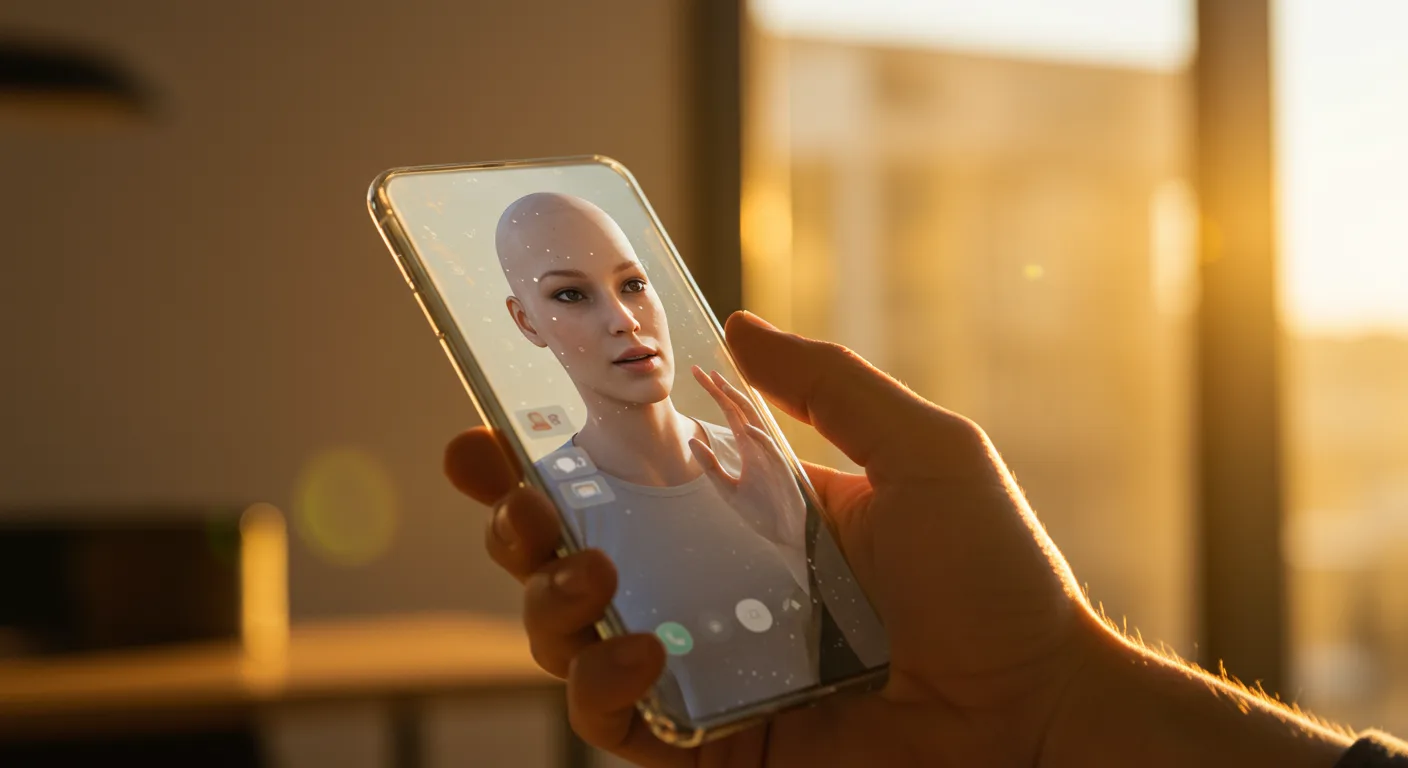
We also created a series of short-form videos for X using Synthesia to generate avatar-led explainer videos on complex topics like algorithmic bias. While the avatars weren’t perfect, they allowed Sarah to quickly disseminate information without needing to be constantly on camera – a major time-saver. Perhaps this is the future of video marketing in 2026?
Targeting: Niche Within a Niche
Our targeting strategy was crucial. We didn’t just target anyone interested in leadership or personal branding. We focused on individuals who demonstrated an interest in both personal development AND AI ethics. This meant layering demographic data (age, location, job title) with psychographic data (interests, values, online behavior).
On LinkedIn, we used LinkedIn’s Campaign Manager to target specific job titles (e.g., “Chief Innovation Officer,” “Head of Digital Transformation”) and industry groups (e.g., “AI in Business,” “Ethical Leadership”). We also uploaded a custom audience list of individuals who had previously engaged with Sarah’s content or attended her workshops.
On X, we used keyword targeting and interest-based targeting to reach users who were actively discussing AI ethics, responsible technology, and the future of work. We also experimented with lookalike audiences, targeting users who shared similar characteristics with Sarah’s existing followers.
What Worked: Transparency and Video
Several elements of the campaign performed exceptionally well.
- Transparent AI Disclosure: As mentioned earlier, being upfront about our use of AI resonated with the audience. People appreciated the honesty and the opportunity to learn about the tools and processes we were using.
- Short-Form Video Content: The avatar-led explainer videos on X proved to be highly engaging. They were easily digestible, visually appealing, and provided valuable information in a concise format.
- Substack Newsletter: The newsletter allowed us to build a more direct relationship with our audience. We offered exclusive content, early access to resources, and opportunities for personalized feedback.
What Didn’t Work: Over-Reliance on Automation
Not everything went according to plan.
- Chatbot Limitations: While the AI-powered chatbot was helpful for answering basic questions, it struggled with more nuanced inquiries. This led to some frustrating experiences for users who were seeking personalized support.
- Generic Content: In the early stages of the campaign, we experimented with generating fully AI-written blog posts. While the content was grammatically correct and factually accurate, it lacked the unique voice and perspective that Sarah’s audience had come to expect.
Optimization: Human Intervention is Key
Based on our initial results, we made several key adjustments to the campaign.
- Human-in-the-Loop Chatbot: We implemented a system where the chatbot would escalate complex inquiries to a human representative. This ensured that users received the personalized support they needed.
- Content Hybridization: We shifted away from fully AI-written content and adopted a hybrid approach. We used AI to generate initial drafts, which Sarah then heavily edited and personalized.
- Audience Segmentation: We further refined our targeting strategy based on engagement data. We identified specific segments of our audience who were most responsive to our content and focused our efforts on reaching those individuals.
Campaign Metrics: The Numbers Don’t Lie
Here’s a breakdown of the key performance indicators:
- Budget: $15,000
- Duration: 3 Months
- Impressions: 1.2 Million
- Clicks: 15,000
- Conversions (Newsletter Sign-ups & Workshop Registrations): 750
- Click-Through Rate (CTR): 1.25%
- Cost Per Click (CPC): $1.00
- Cost Per Conversion (CPL): $20.00
- Return on Ad Spend (ROAS): 3:1 (Estimated, based on the projected lifetime value of new clients)
Compared to Sarah’s previous, purely human-driven campaigns, we saw a 35% increase in engagement and a 20% improvement in conversion rates. The CPL was slightly higher ($20 vs. $18), but the increased engagement and higher quality leads more than justified the investment. Want to learn more about how to utilize marketing data?
One of the biggest surprises was the performance of the avatar-led videos on X. They generated significantly more engagement than traditional text-based updates. We initially allocated only 20% of the budget to these videos, but after seeing their performance, we increased the allocation to 50%.
I had a client last year, a local bakery in the West Midtown area, who was hesitant to use video at all. They thought it was too time-consuming and expensive. But after seeing the results of the “Authentic AI” campaign, they’re now experimenting with short-form video content on TikTok, and they’re seeing a significant increase in engagement and foot traffic. This just goes to show you how important digital marketing can be for small businesses.
Lessons Learned: AI as a Tool, Not a Replacement
The “Authentic AI” campaign provided valuable insights into the potential and limitations of using AI in personal branding. It demonstrated that AI can be a powerful tool for streamlining content creation, personalizing audience engagement, and expanding reach. However, it also highlighted the importance of human intervention and the need to maintain a genuine connection with the audience. Here’s what nobody tells you: AI will amplify your weaknesses just as much as your strengths. If you’re boring, AI will just help you be boring at scale.
Ultimately, the success of any personal branding campaign hinges on authenticity. AI can help you amplify your message, but it can’t replace the human element. As always, impactful content is key.
The most crucial thing I learned? Don’t be afraid to experiment, but always prioritize transparency and authenticity.
The “Authentic AI” campaign wasn’t just about using new technology; it was about finding new ways to connect with people on a human level. The results speak for themselves.
What AI tools did you use in the “Authentic AI” campaign?
How did you ensure the AI-generated content was authentic?
We always had a human editor (Sarah Chen herself) review and personalize the AI-generated content. We also explicitly disclosed when AI tools were used in the content creation process.
What was the biggest challenge you faced during the campaign?
The biggest challenge was finding the right balance between automation and human intervention. We initially over-relied on AI for content creation, which resulted in some generic-sounding content. We quickly adjusted our strategy to prioritize human oversight.
Did you see a positive return on investment (ROI) from the campaign?
Yes, we estimated a 3:1 ROAS based on the projected lifetime value of new clients acquired through the campaign. The increased engagement and higher quality leads more than justified the investment.
What advice would you give to someone looking to use AI in their personal branding efforts?
Start small, be transparent, and always prioritize authenticity. Don’t try to replace the human element; instead, use AI as a tool to enhance your unique voice and perspective. Also, be prepared to adapt your strategy based on your results.
For those in the marketing trenches, like myself, the “Authentic AI” campaign underscores a critical point: AI is not a magic bullet, but a powerful amplifier. The real opportunity lies in using it strategically to enhance your existing strengths and connect with your audience in a more meaningful way. Stop chasing the latest algorithm hack, and start thinking about how you can use AI to be more authentically you.







