 By Editorial Team
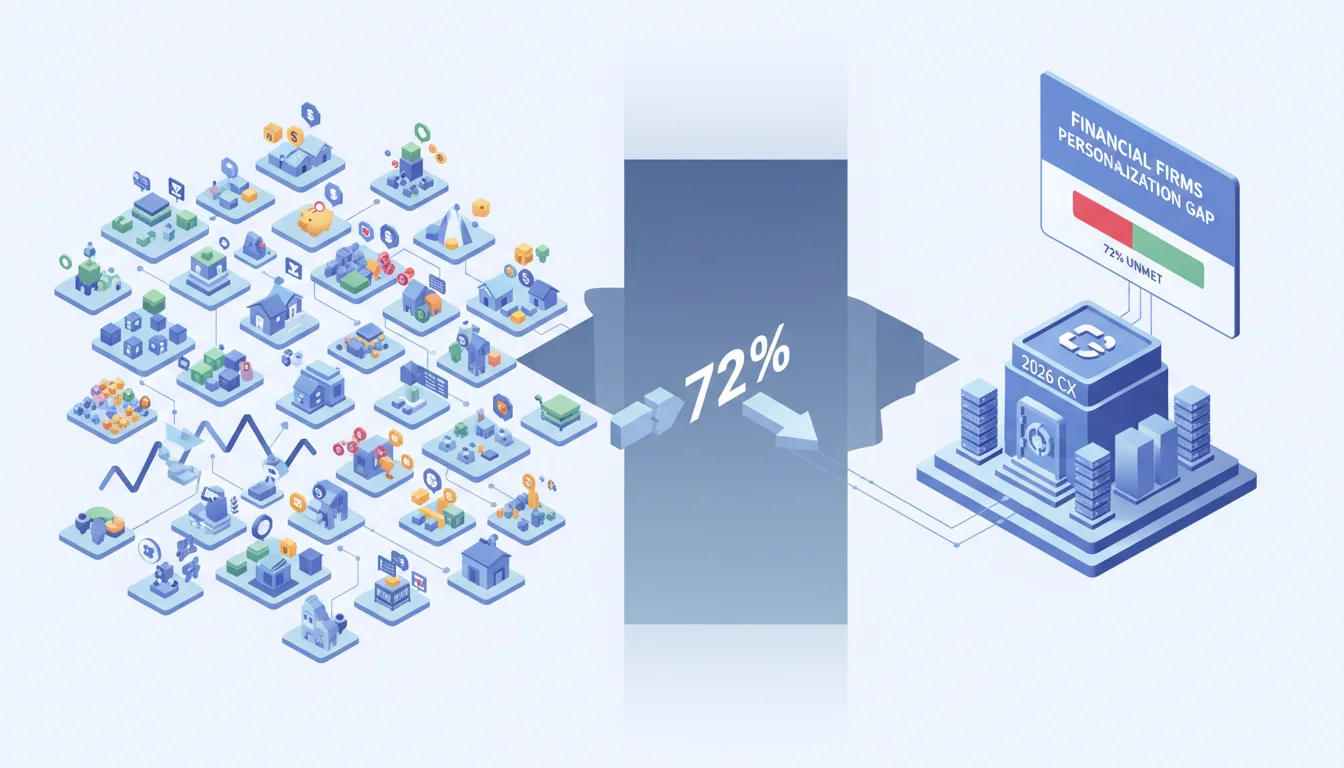
It’s no surprise that a 2025 Deloitte report on digital financial engagement found 72% of consumers expect personalized experiences from the people managing their money, a number that’s been ticking up for three years straight. This expectation goes far beyond just using their first name in an email. It means your firm has to genuinely understand their financial goals, how they feel about risk, and where they are in life to offer any kind of meaningful CX. How can any institution even attempt to do this without getting serious about granular client segmentation?
Key Takeaways
- When financial firms actually use advanced client segmentation, they’re seeing client retention jump by about 15% in just 12 months.
- Personalized outreach that’s based on what clients actually do (like their investment patterns or how often they log in) gets a 20% higher engagement rate with financial advice content.
- Using AI analytics to find and define segments can cut the manual grunt work of client profiling by up to 30%, which frees up advisors to actually talk to clients.
- Firms that bother to change their communication channels to match what a segment prefers (think mobile app alerts for younger clients, direct mail for older ones) are seeing a 25% better conversion rate on new product offers.
The 2026 Shift: From Demographics to Behavior
Sorting clients by age and income just doesn’t cut it anymore. While those details aren’t totally irrelevant, a much sharper understanding of client behavior is what matters now. An IAB (Interactive Advertising Bureau) study from early 2026 found that firms using psychographic and behavioral data for their segmentation saw a 35% higher return on marketing investment than firms still stuck on old-school demographics. It’s about what people do and want, not just what they have. For example, once you identify a group of people who are all researching sustainable investments, you can send them relevant product info, regardless of their age. I’ve seen it work myself: a well-defined segment like “tech-savvy early retirees exploring alternative investments” will actually show up for a webinar on blockchain funds, whereas they’d ignore a generic email about retirement planning.
The Engagement Gap: 40% of Clients Feel Underserved
Even with all the money poured into digital tools, a 2025 Nielsen report found that a whopping 40% of financial services clients feel their primary institution doesn’t get them. That’s a huge gap, and it points straight to a failure in segmentation and personalization. Having the data isn’t the problem. The problem is that the data isn’t being used. Too often, the sales team has one view of the client, marketing has another, and the advisors have a third, and none of them talk to each other. Think about a client who uses your portal to research estate planning but keeps getting emails pushing basic savings accounts. That kind of disconnect just makes you look like you’re not paying attention and erodes trust fast. We don’t need more data. We need to integrate what we already have, so that every single interaction, from an app login to a phone call, is based on a consistent, up-to-date picture of that client’s goals.
Personalized Financial Advice: A 20% Increase in Client Satisfaction
The payoff for getting personalized financial advice right is concrete. A HubSpot Research brief from late 2025 showed firms delivering consistently tailored financial advice to well-defined client segments saw their client satisfaction scores climb by 20%. This is about more than just recommending the right fund. It’s about the communication style, the channel, and how often you get in touch. A “digital-first” client might just want quick updates on an encrypted messaging app, while a “high-touch” client expects a quarterly in-person meeting and a full printed report. Delivering this kind of service means you need a CRM that can do more than just hold names and numbers. It needs to process that data and offer predictive insights for your advisors. The real goal is to anticipate what a client needs before they have to ask, building loyalty because you’re demonstrating real value through timely, relevant advice, like suggesting a portfolio rebalance because you know about a life event they told you about six months ago.
The Myth of “One-Size-Fits-All” Digital Solutions
There’s this idea that you can just build one big, unified digital platform and all your clients will use it the same way. That’s a huge mistake. A 2026 eMarketer analysis showed that while 85% of financial institutions have spent big on digital channels, a mere 30% have actually customized them for different client segments. That gap is everything. Your younger, digitally native clients might love gamified planning tools and getting quick answers from AI-driven chatbots, but more established clients might find that infuriating and would much rather have a secure email or a phone call with their actual advisor. A “one-size-fits-all” digital strategy doesn’t work. It just leads to some people underusing the tools and others getting frustrated. The smarter move is to offer a whole suite of tools and let clients pick the ones they’re comfortable with, instead of forcing everyone into one box.
Data Privacy and Trust: A Non-Negotiable Foundation
All this talk of segmentation is pointless if you don’t have the client’s trust on data privacy. An IAB survey found 68% of consumers are more willing to share personal financial data with firms they feel are transparent about how they use it. This means more than just being compliant with regulations like GDPR compliance or CCPA. It means you have to communicate clearly (in plain English, not legalese) about what data you’re collecting and why. You have to spend the money on real security protocols and regular audits. A single breach of trust can destroy a relationship that took years to build. Clients have to be absolutely certain their most sensitive financial information is being guarded carefully. Without that fundamental trust, your sophisticated segmentation models are just an expensive science project.
In the end, the firms that will win are the ones that stop blasting generic offers and get good at using granular client segmentation to deliver a truly personal experience. It’s how you build deeper, more profitable relationships based on genuine understanding.
What is the primary benefit of client segmentation in financial services?
The main benefit is being able to give people advice and services that are actually relevant to them. This makes them happier and more likely to stick with you because you’re addressing their specific situation, not just giving generic tips.
How has client segmentation evolved in 2026?
It’s moved on from just using basic demographics like age or income. Now it’s about looking at psychographic and behavioral data, what people actually do, think, and want, to get a much clearer picture of who they’re as a client.
Why is data privacy critical for personalized CX in finance?
Because you can’t personalize without using sensitive personal data. If clients don’t trust you to protect that information and be transparent about how you use it, they won’t share it. No data, no personalization. It’s that simple.
Can AI assist in client segmentation for financial institutions?
Yes, AI is a huge help. It can sift through massive amounts of data and spot subtle patterns that a human would miss, which lets you create much more precise and effective client segments for targeting advice and products.
What role do digital channels play in delivering personalized financial advice?
They’re how you deliver the personalized experience, through tailored content, special tools, or just by using the communication method a client prefers. But you need a flexible set of digital options because different client segments want very different things.


