 By Editorial Team
Key Takeaways
- Last year’s supply chain disruptions tacked a 15% average increase onto lead times for manufactured goods, wrecking market flexibility and leaving shelves empty.
- Companies smart enough to diversify their cross-border logistics routes cut their average transit times by 20% compared to those who bet everything on a single corridor.
- Using real-time visibility tools like Project44 is a no-brainer, it can slash demurrage and detention costs by up to 30% by letting you fix problems before they start costing you money.
- The “nearshoring plus one” playbook, which means adding a backup manufacturing or distribution hub in a closer region, can cut your exposure to geopolitical risk by 40%.
- Digital customs platforms and new regional trade agreements are actually working, cutting customs clearance by an average of 18 hours for compliant shipments and getting cross-border freight moving faster.
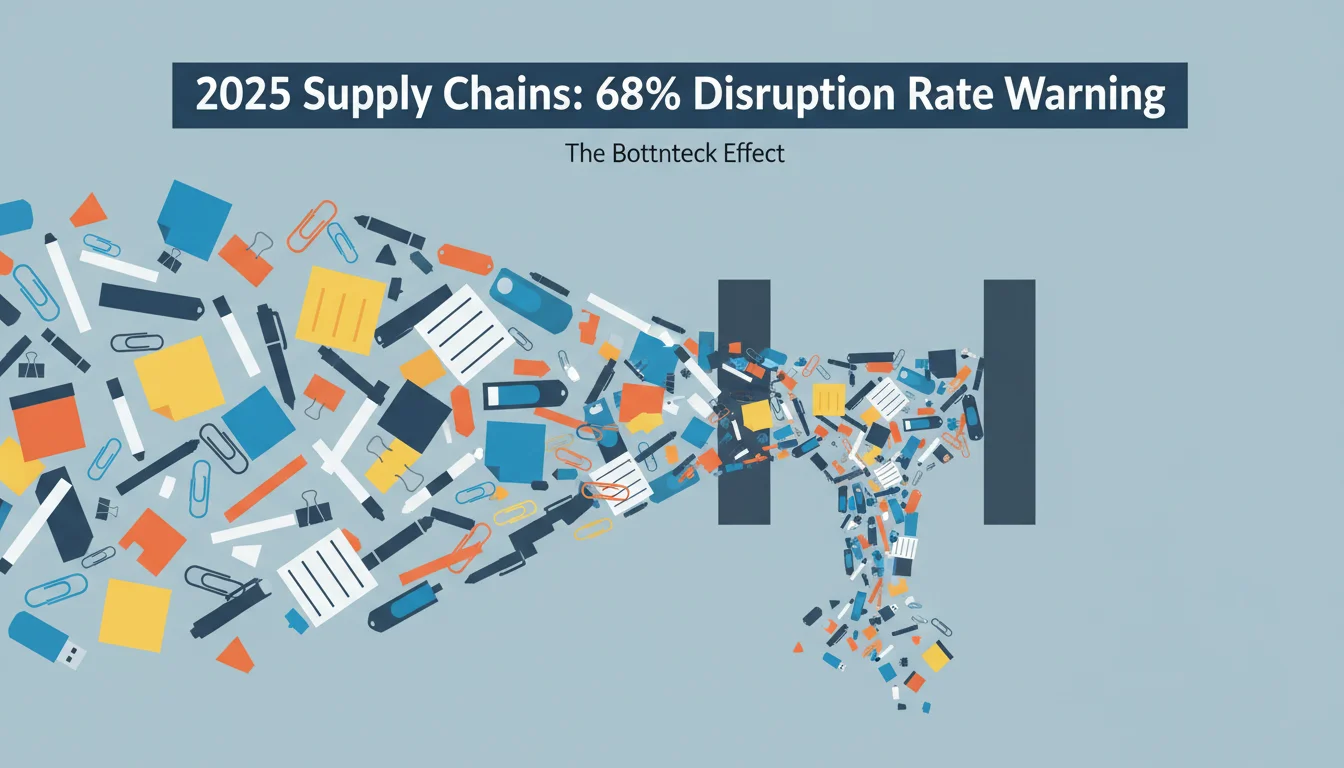
In 2025, even with all our modern trade infrastructure, a full 68% of businesses got hit with unexpected supply chain disruptions because they were too dependent on single-point logistics corridors. That number tells me that for all our talk about supply chain agility and effective cross-border logistics, most companies are still operating on a prayer, forcing a hard look at what “resilient” really means.
The 68% Disruption Rate: A Call for Corridor Diversification
That 68% disruption figure from last year should be a massive wake-up call for any supply chain manager. It shows that most companies are still incredibly exposed to external shocks. I see this firsthand with my manufacturing clients around Atlanta who rely heavily on the Port of Savannah. A single labor strike, a hurricane, or a sudden tariff can bring their entire global operation to a screeching halt. It’s a classic single-point-of-failure problem that we should have learned to avoid by now.
The root cause of this high disruption rate is a glaring lack of diversification in cross-border transport. Too many organizations are still chasing the lowest possible cost, funneling everything through one “cheap” port or one “fast” carrier because it looks good on a spreadsheet. That ‘cheapest’ route, however, becomes the most expensive one the second it breaks down. According to a recent Nielsen report, companies with diversified networks, using at least three distinct cross-border routes for critical goods, experienced 45% fewer severe disruptions. Building in that kind of optionality isn’t about adding complexity for its own sake. It’s about giving yourself choices when things go wrong, which is the foundation of genuine market flexibility.
The 15% Increase in Lead Times: The Cost of Inflexibility
When a disruption happens, the first thing you feel is the pain of longer lead times. That 15% average increase for manufactured goods we saw in 2025 directly causes lost sales, bloated inventory costs, and angry customers. If you’re in consumer electronics, for example, a 15% delay on a key component means your big product launch misses the holiday season, and your competitor gets to eat your lunch. It’s that simple.
That 15% jump in lead times exposes how inflexible most traditional supply chain models really are. The old thinking, often pushed by procurement, was to lock in long-term contracts with a single carrier or port to get the best rate. In a stable world, maybe that worked. But with today’s constant volatility from weather, politics, and health crises, it’s a huge liability. You need a network of logistics partners and a portfolio of routes you can switch to on the fly, like having pre-vetted agreements with secondary carriers or a plan to divert freight from Savannah to the Port of Charleston. You have to slash your “shock absorption” time so you can reroute freight and keep it moving, which is the only way to preserve your market flexibility.
30% Reduction in Demurrage Costs: The Power of Real-Time Visibility
Demurrage and detention fees are the silent killers of a logistics budget, those charges for containers sitting too long at a port or terminal add up fast. The fact that you can cut these by 30% with real-time visibility platforms is a massive, direct saving. I’ve seen clients get hammered with these fees, thousands of dollars per container, all because they didn’t get a heads-up that a ship was delayed or that customs paperwork had an error until the clock had already run out.
Technology is the only real answer here. Platforms from providers like FourKites or Project44 give you that granular, live tracking across every mode and border, but their real value is in the predictive analytics that go beyond simple location pings. They can forecast delays and flag potential customs issues before they cost you money, giving your team time to actually do something about it. For instance, getting an alert that your container is heading into a known bottleneck at the Port of Long Beach lets your team start working on pre-clearing documents or looking at alternative drayage options. Acting on that information is what cuts down idle time and gets rid of penalties, making your entire cross-border logistics operation cheaper and more predictable.
The “Nearshoring Plus One” Strategy: Mitigating Geopolitical Risk by 40%
The “nearshoring plus one” strategy is a direct answer to the trade wars and regional conflicts that keep blowing up global supply chains. A 40% risk mitigation from instability in a primary production zone is a big claim, but from what I’ve seen, it’s a realistic target that every major importer needs to be evaluating right now. The old model of chasing rock-bottom labor costs by concentrating all production in one distant country has been proven incredibly fragile by the pandemic and recent geopolitical spats.
The strategy is simple: you establish a second manufacturing or distribution site in a closer, more stable country. A company with primary production in Southeast Asia, for example, would open a secondary facility in Mexico to supply the North American market. You keep your primary hub but now have a viable, operational alternative ready to scale up if your main source gets cut off by a new tariff or a port lockdown. This redundancy lets you pivot and keep product flowing when disaster strikes. It’s a pragmatic admission that keeping supply uninterrupted is more important for long-term survival than shaving another half-penny off the unit cost, and it’s essential for sustained market flexibility.
18-Hour Reduction in Customs Clearance: The Digital Advantage
Shaving an average of 18 hours off customs clearance for compliant cargo is a real, measurable win for anyone moving goods across borders. We’ve all had shipments disappear into the customs black hole for days over a single piece of flawed paperwork. This progress comes directly from governments and trade bodies finally pushing to modernize their border processes through digital platforms.
Digital systems like the Automated Commercial Environment (ACE) in the U.S. let us submit everything electronically and get goods pre-cleared before they even dock. At the same time, regional trade agreements like the USMCA (United States-Mexico-Canada Agreement) are standardizing regulations and simplifying procedures among member countries. All this creates better predictability, which is arguably more valuable than pure speed, because it allows for tighter delivery scheduling and less buffer inventory. This is a perfect example of how investing in digital infrastructure pays off with more efficient cross-border logistics and better supply chain agility.
The 2025 data tells a simple story: relying on “just-in-time” delivery through a single, fragile transport corridor is a dead-end strategy. The companies that are going to thrive are the ones that diversify their routes, use real-time visibility to see what’s coming, and build redundancy into their networks to handle shocks. So here’s what you do now: pull up your current cross-border logistics strategy, find at least two single points of failure, and figure out how to build in a diversified or tech-supported alternative in the next six months. Don’t wait for the next disruption to force your hand.
What is a cross-border transport corridor?
It’s a defined route or network of routes, including roads, railways, ports, and airports, used to move goods and services between two or more countries. These corridors are the arteries of international trade, supported by infrastructure like customs facilities and logistics hubs.
How does supply chain agility relate to cross-border logistics?
It’s your supply chain’s ability to react quickly to problems like a sudden spike in demand or a port shutdown. For cross-border logistics, agility means having the flexibility to reroute shipments, switch to a different carrier, or use an alternate port on short notice to keep goods moving and avoid costly delays.
What are the main challenges in optimizing cross-border logistics?
The biggest headaches are working through complex and inconsistent customs regulations between countries, dealing with unpredictable geopolitical events, managing different languages and business cultures, and trying to maintain visibility of a shipment once it crosses a border. Unexpected delays and wild swings in freight costs are constant problems.
What is “nearshoring plus one” and why is it important for market flexibility?
It’s a strategy where a company keeps its primary factory in a low-cost region but also opens a second, alternative facility in a country that’s geographically closer and more politically stable. This gives you market flexibility because you have a reliable backup plan which reduces lead times and protects you from disruptions affecting your primary location.
What technologies are improving cross-border logistics efficiency?
Real-time visibility platforms are huge for providing end-to-end tracking and predicting delays before they happen. Digital customs platforms are speeding up clearance by automating paperwork. Other tools like AI and machine learning are helping to optimize routes and forecast demand, while blockchain is being explored to create more secure and transparent transaction records.


